
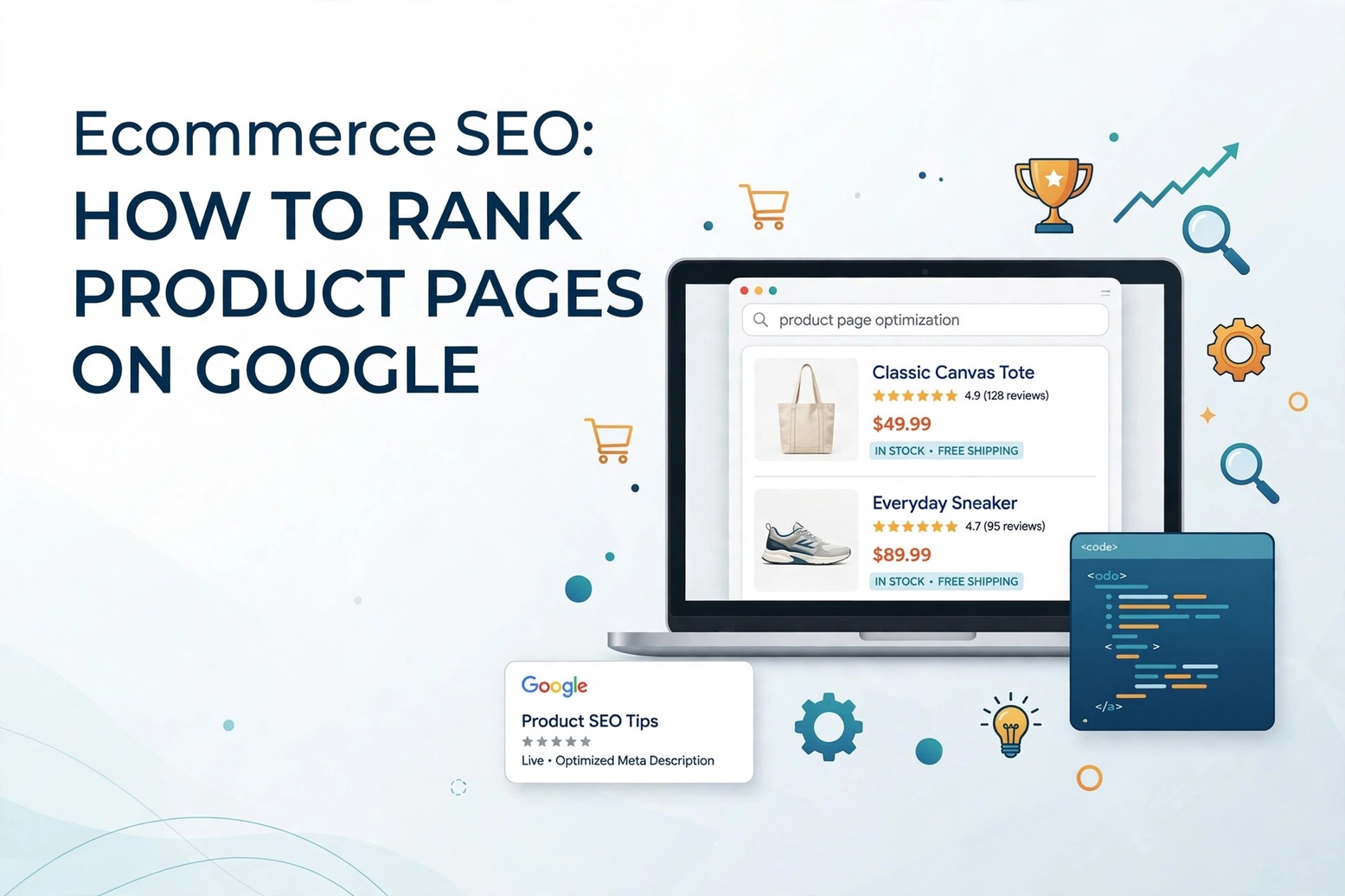
If your products aren't showing up on the first page of Google, they're essentially invisible to most shoppers. Studies consistently show that the vast majority of clicks go to the top few organic results, which means ranking well isn't optional — it's the difference between steady, free traffic and relying entirely on paid ads. The good news is that improving product rankings on Google Search is a systematic process. It combines technical SEO, content quality, user trust signals, and ongoing optimization. Below is a complete, practical roadmap you can start applying today.
1. Start With Solid Keyword Research
Every ranking strategy begins with understanding what your customers actually type into Google. Use tools like Google Keyword Planner, Ahrefs, SEMrush, or even Google's autocomplete and "People also ask" sections to identify high-intent keywords — phrases that signal someone is ready to buy, such as "buy," "best," "near me," or specific model numbers. Focus on a mix of short-tail keywords (broad, high volume) and long-tail keywords (specific, lower competition, higher conversion). Map these keywords naturally into your product titles, descriptions, and URLs rather than stuffing them awkwardly.
2. Optimize Product Titles and Descriptions
Your product title is one of the strongest on-page ranking signals. Keep it concise, front-load the primary keyword, and include distinguishing details like brand, size, color, or model. For descriptions, avoid copying manufacturer text verbatim — Google penalizes duplicate content, and generic descriptions don't help shoppers decide. Write unique, benefit-driven copy that answers real questions: what problem does this product solve, who is it for, and why is it better than alternatives?
3. Implement Structured Data (Schema Markup)
Structured data tells search engines exactly what your page contains, enabling rich results like star ratings, price, and stock availability directly in the search listing. Adding Product, Offer, and AggregateRating schema (via JSON-LD) can significantly increase click-through rates, which is itself a ranking signal. Use Google's Rich Results Test to validate your markup before publishing, and keep it updated as prices or stock levels change.
4. Improve Page Speed and Core Web Vitals
Google uses Core Web Vitals — metrics covering loading speed, interactivity, and visual stability — as part of its ranking algorithm. Compress product images, enable browser caching, use a content delivery network, and minimize render-blocking scripts. A slow product page not only ranks worse but also increases bounce rate, which compounds the problem. Run your pages through PageSpeed Insights regularly and fix flagged issues.
5. Prioritize Mobile-First Design
Since Google primarily uses mobile-first indexing, your product pages must perform flawlessly on smartphones. This means responsive layouts, thumb-friendly buttons, readable font sizes without zooming, and fast mobile load times. Test every product page on multiple screen sizes and fix any layout shifts or overlapping elements.
6. Use High-Quality, Optimized Images
Clear, high-resolution images improve user trust and time-on-page, both of which support rankings. Compress images without sacrificing quality, use descriptive file names instead of generic strings like IMG1234, and always add descriptive alt text. Alt text also helps your products surface in Google Image Search, which is an often-overlooked traffic source.
7. Build Trust With Reviews and Ratings
Customer reviews are a powerful ranking and conversion signal. Pages with genuine reviews tend to have lower bounce rates and higher dwell time, both of which Google interprets as quality signals. Encourage post-purchase reviews through email follow-ups, display them prominently on the product page, and mark them up with review schema so star ratings can appear directly in search results.
8. Strengthen Internal Linking
Link related products, categories, and buying guides to each other. This helps Google understand your site structure and distributes ranking authority across pages. For example, a blog post reviewing "best running shoes" should link directly to relevant product pages, and those product pages should link back to related categories or complementary items.
9. Earn Quality Backlinks
Backlinks from reputable, relevant websites remain one of the strongest off-page ranking factors. Pursue backlinks through product reviews from bloggers or influencers, press mentions, guest posts, and partnerships with industry publications. Avoid low-quality link schemes, as these can trigger penalties rather than improvements.
10. Optimize for Google Shopping and Merchant Center
If you sell products online, syncing your catalog with Google Merchant Center is essential. Ensure your product feed has accurate titles, categories, GTINs, pricing, and availability. A well-optimized feed improves visibility in Google Shopping results, which often appear above standard organic listings and capture significant purchase-intent traffic.
11. Create Supporting Content
Product pages alone often aren't enough to rank for broader, informational searches. Supporting content — buying guides, comparison articles, how-to posts, and FAQs — helps capture users earlier in their research journey and funnels them toward your products. This content also gives you more opportunities to target long-tail keywords and earn backlinks.
12. Monitor, Test, and Refine
SEO isn't a one-time task. Use Google Search Console to track impressions, click-through rates, and ranking positions for each product page. Identify pages that are close to page one and prioritize improvements there, since small optimizations can push them into top positions. Regularly audit for broken links, outdated stock information, and duplicate content, and A/B test titles and descriptions to see what improves click-through rates.
Conclusion
Improving product rankings on Google Search requires a blend of technical precision, quality content, and genuine customer trust signals. There's no single trick that guarantees the top spot — instead, consistent effort across keyword targeting, page experience, structured data, reviews, and content will compound over time. Start with the areas that need the most work, track your progress through Search Console, and treat SEO as an ongoing part of your product strategy rather than a one-time setup.